
Mouth breathing
Lips apart at rest, low tongue posture and a narrowing maxillary arch.
Free live webinar for dentists, orthodontists and paediatricians
60 minutes on PEOT: a series of custom-made, removable soft silicone oral appliances that guide jaw and arch development in children aged 3 to 12. One case from records to review, then your questions, live.

Illustrative clip
A series of custom-made, removable soft silicone myofunctional appliances that guide jaw and arch development in a growing child.
Encourage nasal breathing, lip seal and a correct tongue rest posture.
Guide zones direct the teeth. Relief zones leave room where movement is planned.
Room is designed in for the teeth due to erupt during each stage.
Allow airflow while a mouth-breathing child adapts to the appliance.
Prescribed by orthodontists and paediatric dentists. General dentists treat alongside one of them. Paediatricians spot the child early and refer.
Three presentations that usually end with the same advice: wait until 12. PEOT is for ages 3 to 12, while the jaws are still growing.

Lips apart at rest, low tongue posture and a narrowing maxillary arch.
The lower central incisors have erupted, with no space for the lower laterals.
Snoring, restless sleep and daytime sleepiness, with a narrow, high-arched palate.
Paediatricians often see these children first. The session covers how to spot them in a routine visit, and when to refer.
Crowding with deep bite, shown as digital scans before and after PEOT. Drag the line to compare.
Scans as printed in the PEOT booklet.
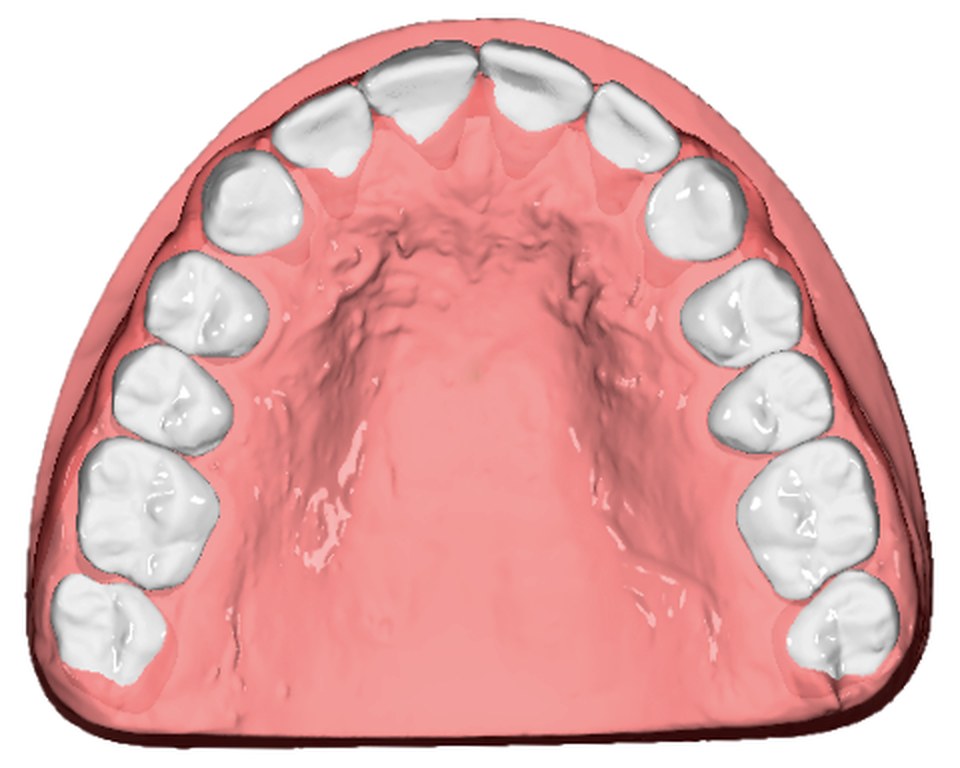
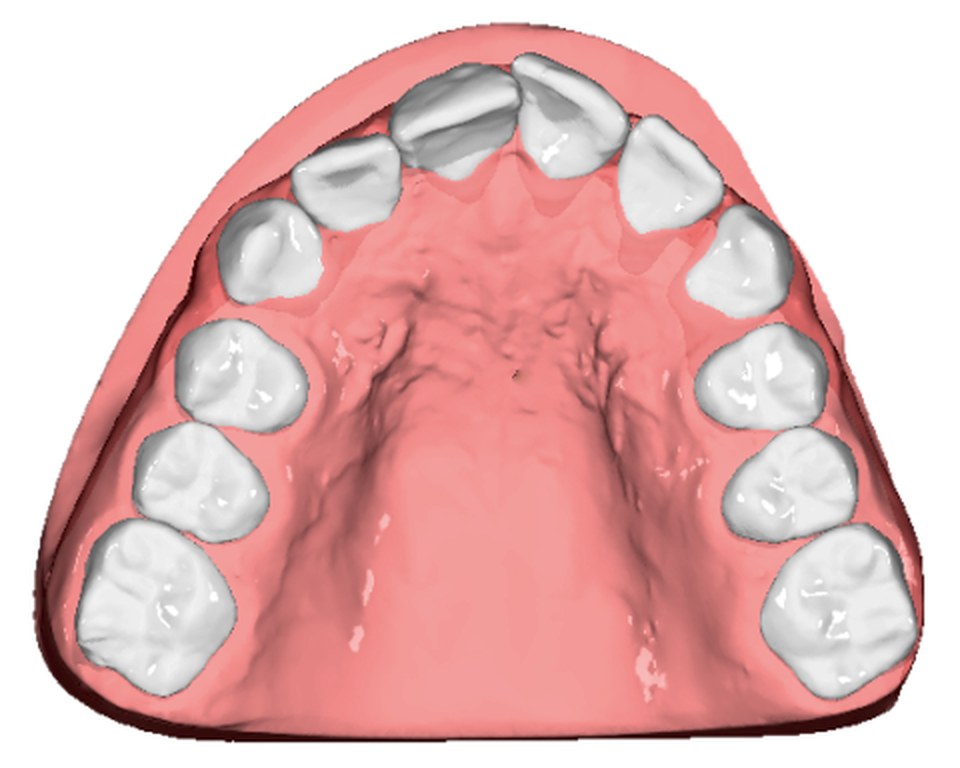
You keep the clinical decisions. We take the design and the fabrication.
These steps are for the treating orthodontist or paediatric dentist. Paediatricians: your role is to spot the child early and refer.
Examine the child and decide whether PEOT is indicated.
Taken once, and sent to us.
The treatment goal is set up in CAD first, and the series is staged towards it.
Each appliance is custom-made from the child's own scans.
You check the fit. We supply the wear and exercise guides.
You review progress. We supply the next appliance.

Your speaker
MDS (Orthodontics)
Orthodontist and the clinical lead for PEOT. He takes one child's case from records to the four-month review, live, and stays for your questions.
Each appliance is custom-made from the child's own scans and bite registration, and the series is staged as the child grows.
Orthodontists and paediatric dentists. General dentists treat alongside one of them. Paediatricians do not prescribe: they spot the child early and refer.
Yes. You do not prescribe PEOT, but you often see these children first. The session covers how to spot them and when to refer.
PEOT addresses function and growth first. Some children still need a short second phase for detailing.
Register here. It is free, and the Zoom link and reminders reach you on WhatsApp.
Tuesday 8 December, 8 pm IST, on Zoom. Free, 60 minutes.